Line 05
Heritage collections.
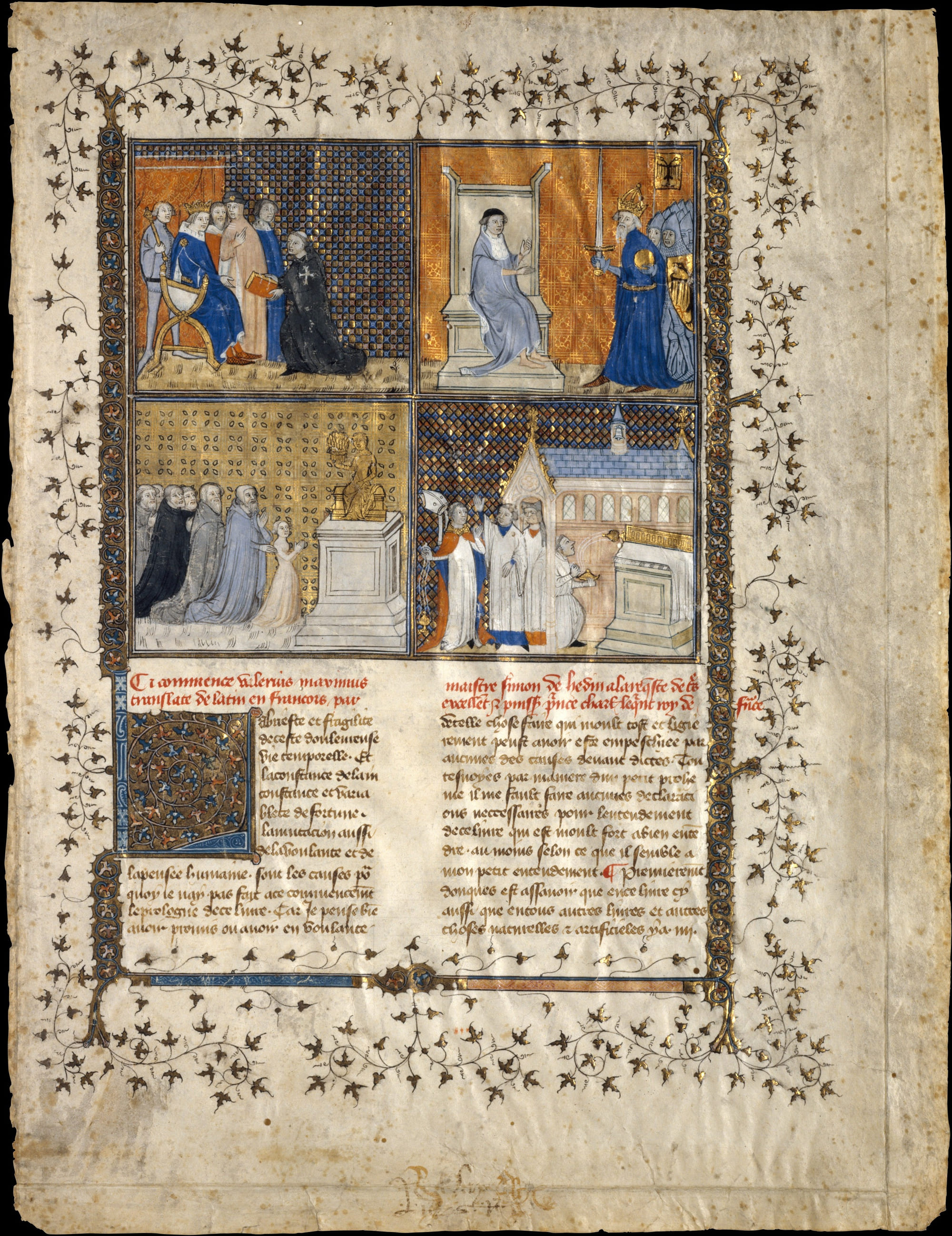
Digital reproduction of manuscripts, illuminated codices, early printed books and photographic collections. The laboratory is installed at the place of custody: the work does not leave the room it is kept in.
Intended for
Historic and research libraries, diocesan and capitular archives, museums, theatres, cultural foundations and private collectors.
In brief
- 01What we do
- Very high resolution reproduction of manuscripts, illuminated codices, early printed books and photographic collections, without contact.
- 02Who it is for
- Historic libraries, diocesan and chapter archives, museums, theatres, foundations and private collectors.
- 03The decisive condition
- The laboratory is installed in the holding institution: the work never leaves the room where it is kept.
Every movement of an early work carries risk. Transport, however well insured and supervised, exposes material to mechanical stress and to swings in temperature and humidity that no policy gives back.
For that reason the laboratory travels, not the work. Installing it at the place of custody takes a few days of preparation and the use of a suitable room; in exchange, the chain of custody is reduced to a few metres carried by hand, under the supervision of the institution’s own staff.
Capture conditions
The parameters below are standard equipment, not a paid option.
- Contactless capture
- No pressure glass, no force applied to the support. Curvature of the leaf is corrected in processing, not flattened during capture.
- Adjustable support cradles
- Opening angle is set by what the binding will bear, not by what suits the framing. Rigid bindings are worked at reduced opening, accepting lower throughput.
- Cold lighting
- Sources free of ultraviolet and infrared components, with illuminance measured at the plane of the work and cumulative exposure kept within limits.
- Microclimate control
- Continuous logging of temperature and relative humidity in the capture room, with work suspended if the thresholds agreed with the conservator are exceeded.
- Colour management
- A colour target included in every session, characterisation of the capture chain, and characterisation data retained alongside the images.

Conservation and reproduction
Working with a specialist conservation studio means that cases requiring treatment before capture can be handled within the same campaign: detachments, tears and deformation of the support that would make reproduction unusable or opening unsafe.
The right sequence is almost always the same: joint assessment with the conservator, minimal consolidation where needed, capture, and return of the work to its place.
What the reproductions are for
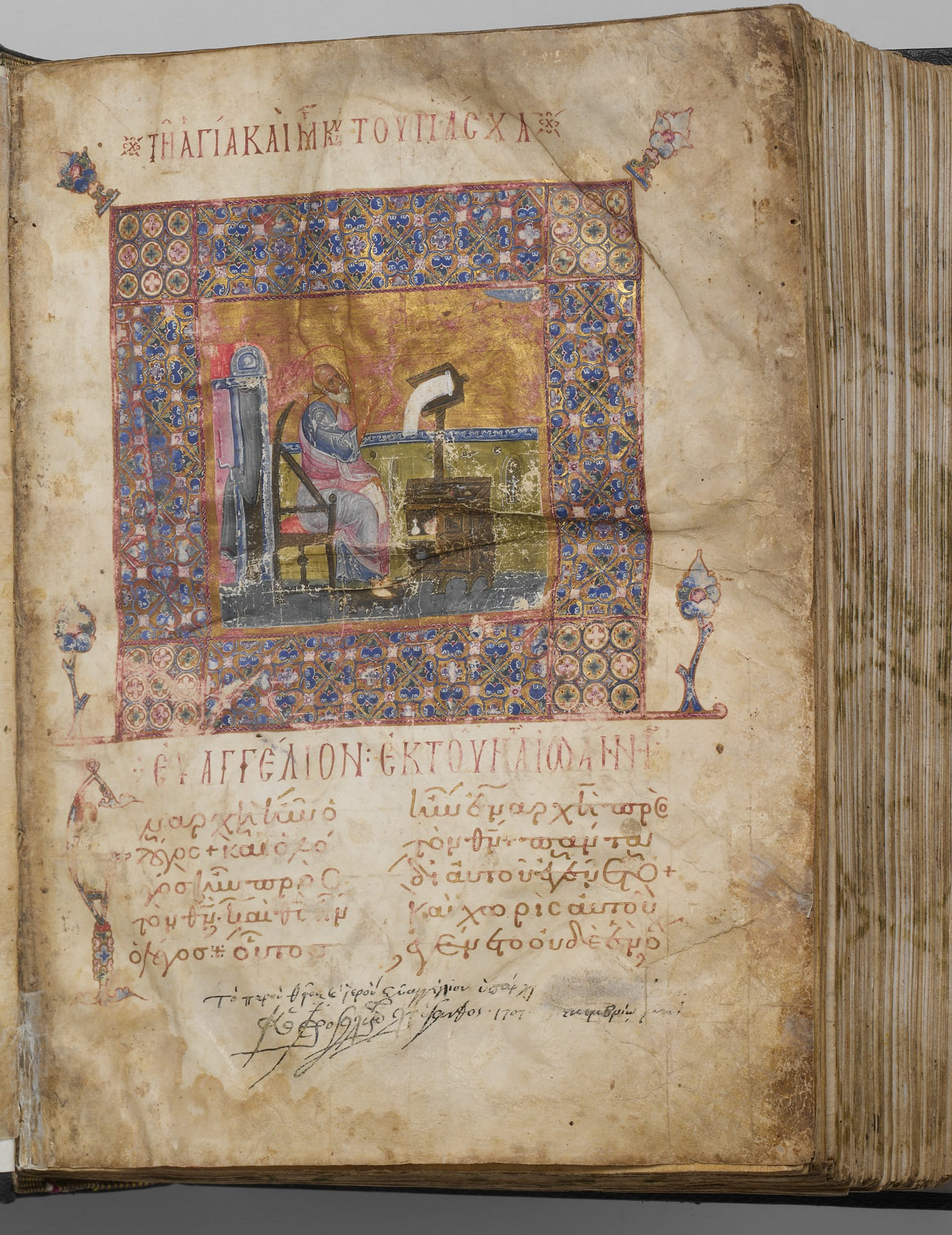
A campaign that ends with the delivery of an external drive has documentary value but produces no access. We build public consultation portals that make digitised works available with progressive magnification, descriptive apparatus and a stable citation.
The portal developed under the Interreg Italy-Greece programme brings together the documentary, paper and multimedia holdings of four Mediterranean theatres, and is the closest reference for this kind of work.
Safeguards
- No movement of the work outside the place of custody, unless the holding institution decides otherwise.
- Institution staff present during capture, on terms set by the conservator.
- Documented experience with holdings declared of exceptional cultural interest by ministerial decree.
- Dialogue with the Archival and Bibliographic Superintendency on matters of statutory protection.
- Ownership of the reproductions and the associated rights remains with the holding institution.
A visit with the conservator
Every campaign begins with a joint visit to the repository, with the person responsible for conservation present, to assess the condition of the material and whether the rooms will take the laboratory.
Arrange a visit