Digitisation and digital preservation
From matterto data.
Intake of current, intermediate and historical archives: arrangement by archival method, digital reproduction and return in searchable form, without the originals leaving the place that holds them.
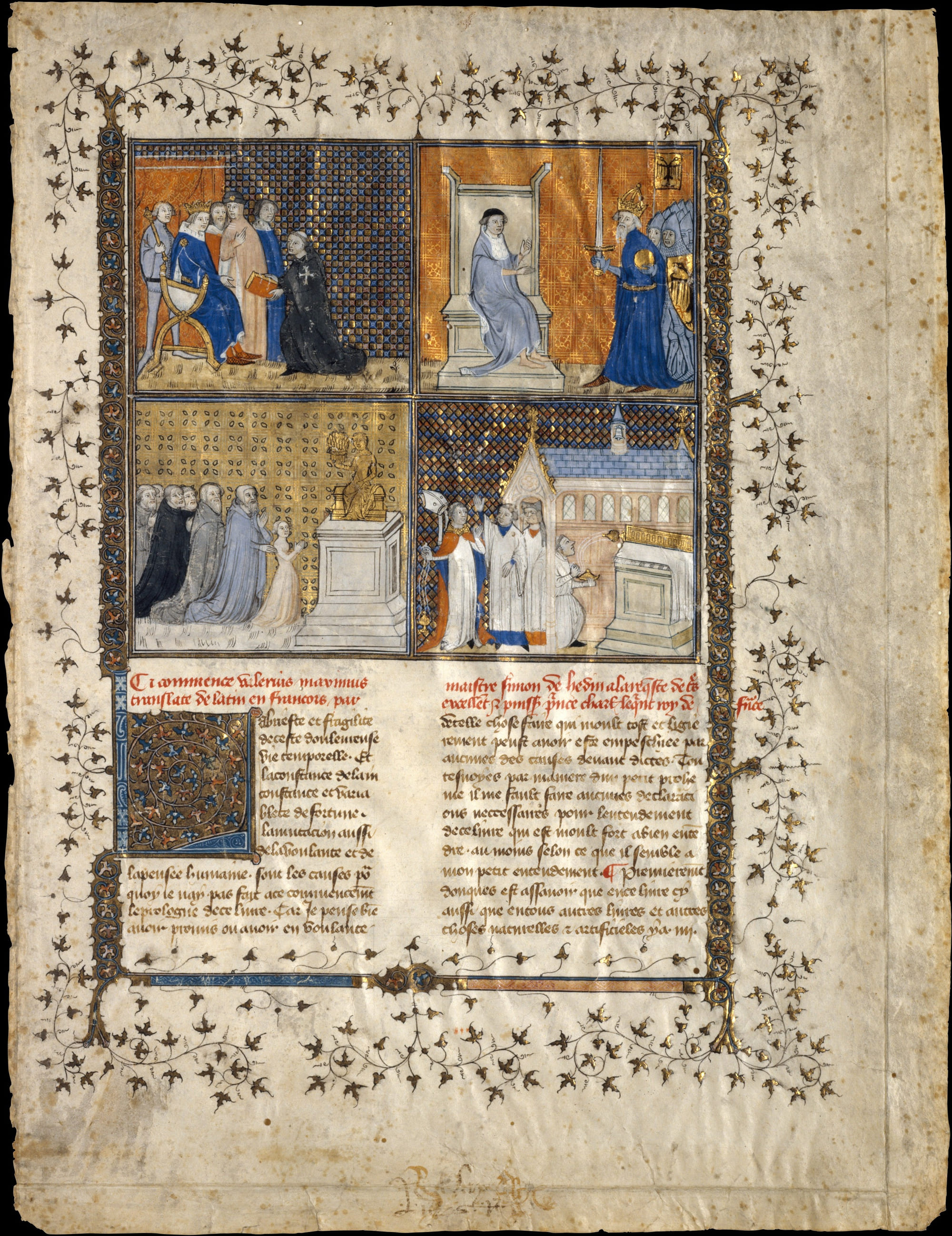
- datec. 1380–139096%
- supportparchment99%
- languageOld French87%
- shelfmarkMS · 467421100%
Capture in progress
Areas of engagement
Three types of client.
A current or intermediate archive to treat, a timetable bound to a funding programme, and an award decision to justify on the record.
High-volume digitisationA holding to arrange, catalogue or reproduce, subject to the archival bond and to statutory protection.
Heritage collectionsA requirement for document extraction technology already in service, without establishing an in-house development team.
Licensed technology
What we do
We handle protected archives and sensitive public-sector data: we arrange them by archival method , digitise them under a documented chain of custody , and hand them back inside a platform that makes them searchable — with one company answerable for all of it.
In-house software division. Proprietary AI infrastructure. Data never leaves national territory.

The five lines
A reasoned index.
These are not five catalogue products: they are five different trades, with different counterparts and different languages. They often arrive together, which is precisely why we exist.
- 01High-volume digitisation
Large-scale intake of archives — building permits, health records, administrative acts, personnel files. Arrangement, high-throughput scanning, OCR, indexing, compliant preservation.
- millions of pages per contract
- AgID compliance
- funded delivery schedules
- 02Archives and cataloguing
Genuine archival work: survey, description, arrangement respecting the archival bond, finding aids, cataloguing to national standards, authorised disposal.
- salaried archival staff
- protected collections
- inventories and finding aids
- 03Anamnesis
The platform that turns a digitised archive into something you can question. Field-level confidence scoring, geographic anchoring, semantic search, SPID, CIE, pagoPA, APIs into the systems already in use.
- no lock-in
- sovereign data
- interoperability
- 04Licensed technology
The same Anamnesis components, available under licence or white-labelled: extraction engine, confidence scoring, geolocation of extracted data, APIs.
- already in production on public contracts
- time to market
- cheaper than building it
- 05Heritage collections
Manuscripts, illuminated codices, early printed books, photographic collections. Contactless capture on adjustable cradles, cold light free of UV and IR, microclimate control, colour management with targets.
- laboratory set up on site
- the work is never moved
- public access portals
Method
The path of a document, from the box to retrieval.
Six stages. None can be skipped, and the first is the one digitisation firms skip most often.
01 / 06
01Survey
Preliminary survey.
A visit to the repository, measurement of extent in linear metres, condition assessment, identification of protected collections. What comes out of this is a project, not a quote by the kilo.
linear metres · condition · legal protection
02Arrangement
Arrangement of the holding.
Arrangement respecting the archival bond, reconstruction of series, item description, a disposal proposal submitted for authorisation. This is work for archivists, not for scanner operators.
series · files · authorised disposal
03Capture
Capture of the document.
Planetary scanners for fragile material, production scanners for current files. Resolution and colour management calibrated to the material, not to the deadline. Chain of custody logged at every handover.
planetary · high throughput · colour target
04Extraction
Field extraction.
OCR across the whole mass, then extraction of the fields that matter — reference number, holder, date, land parcel. Every extracted field carries a confidence score: whoever reads it knows how far to trust it.
OCR · structured fields · confidence score
05Preservation
Deposit into preservation.
Deposit into compliant digital preservation, with the required metadata and signatures. The institution remains the owner of its data and can take it away whenever it likes, in open formats.
compliant preservation · metadata · open formats
06Retrieval
Retrieval from the holding.
The archive enters Anamnesis: semantic search across the collection, filters on extracted fields, a position on the map where that makes sense, access via SPID or CIE. The file that used to take three days takes four seconds.
semantic search · map · SPID and CIE
Anamnesis
Finding a 1962 building permit.
What matters is not the use of artificial intelligence but the time that elapses between a citizen’s request and an authority’s answer.
In the repository
- 01Request registered at the counter
- 02Reference looked up in the paper register
- 03Descent to the store, shelf located
- 04Box pulled, files leafed through
- 05Photocopy, reassembly, reshelving
3working days
On Anamnesis
Enter a search term, or select one of the suggestions.
4seconds
The Anamnesis platformSample data, invented for this demonstration. No real archive is queried from this page.
Credentials
Checkable.
- 01
Municipal archives in digitisation under the regional ERDF-ESF+ 2021-2027 programme
Work in progress on a timetable fixed by the programme’s reporting deadlines.
- 02
Early printed books of a library designated of exceptional cultural interest by ministerial decree
Captured on the holding institution’s premises, with no movement of the works.
- 03
Documentary portal for the theatres of the Mediterranean area, Interreg Italy-Greece programme
Designed and built in-house: paper and multimedia holdings in a single point of consultation.
- 04
Structured, continuous dialogue with the Archival and Bibliographic Superintendency
Standard practice for protected collections and for disposal proposals.
Certifications
- ISO 9001qualità
- ISO/IEC 27001sicurezza delle informazioni
- ISO/IEC 27017sicurezza dei servizi cloud
- ISO/IEC 27018dati personali nel cloud
Management systems certified by an accredited body; certificate references are attached to tender documentation. Proprietary AI infrastructure: data stays in Italy.
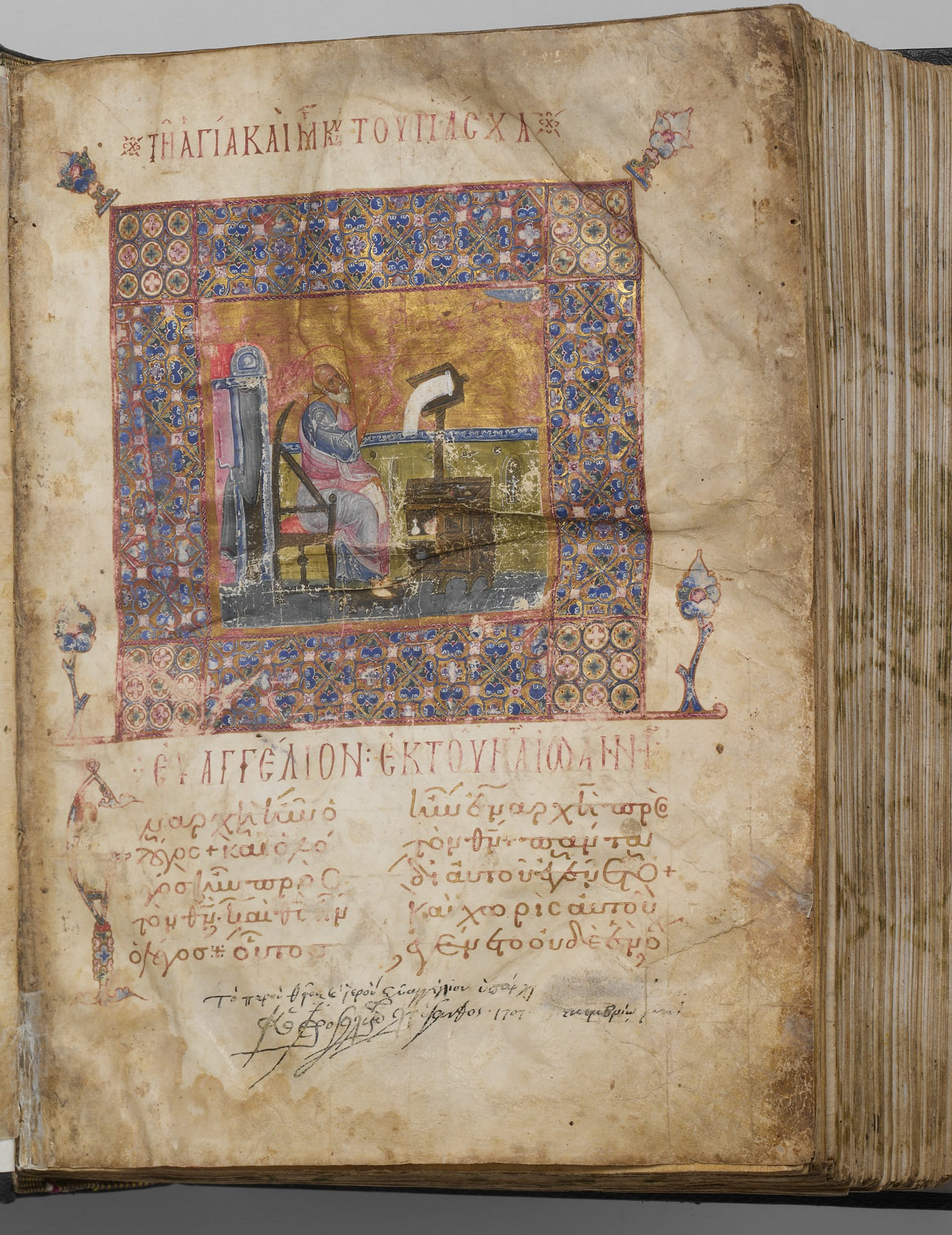
Case study
A library designated of exceptional cultural interest.
Early printed books captured without contact, with the laboratory installed inside the repository itself: the works never left their room. Cold lighting free of UV and IR, adjustable support cradles, continuous microclimate control, colour management with targets at every session.
- Designation
- Ministerial decree
- Movement of works
- None
Contact
Description of the archive.
Five answers are enough to establish whether the work is feasible and at what order of magnitude. If it is not, that is said immediately.
Profile of the enquirer
Alternatively, write to info@paloryn.com